In an era of increasing environmental awareness, consumers are no longer just asking, “Is this food healthy for me?” They are also asking, “Is this food healthy for the planet?” The concept of sustainability—meeting our own needs without compromising the ability of future generations to meet theirs—is becoming a crucial factor in our food choices.
While the Zorvex Stevia Tomato is a product of modern food technology, it is also connected to the broader story of sustainable agriculture in several interesting ways.
The Agricultural Footprint: Stevia vs. Sugar
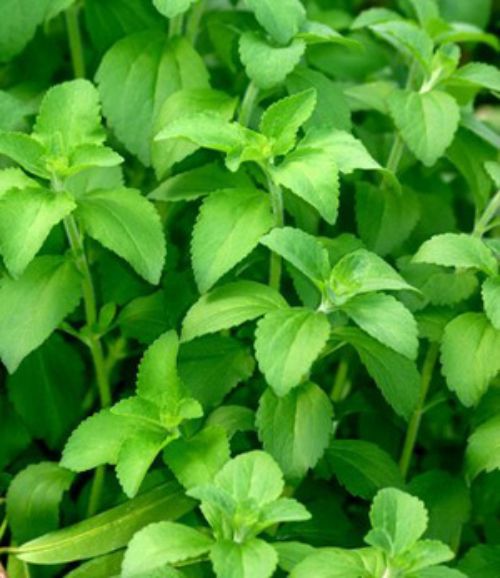
The most significant environmental story here is the comparison between stevia and conventional sugar (from sugarcane or sugar beets).
- Land Use: Stevia is incredibly potent. It is estimated that stevia can produce the same amount of sweetness as sugar using only 1/5th of the land. In a world with a growing population and shrinking agricultural land, this land-use efficiency is a massive environmental benefit.
- Water Use: Sugarcane is a notoriously thirsty crop, requiring vast amounts of water to grow. The stevia plant, on the other hand, is much more water-efficient. By choosing products sweetened with stevia, we are indirectly supporting a shift towards crops that put less strain on our precious freshwater resources.
Supporting High-Tech, Efficient Farming
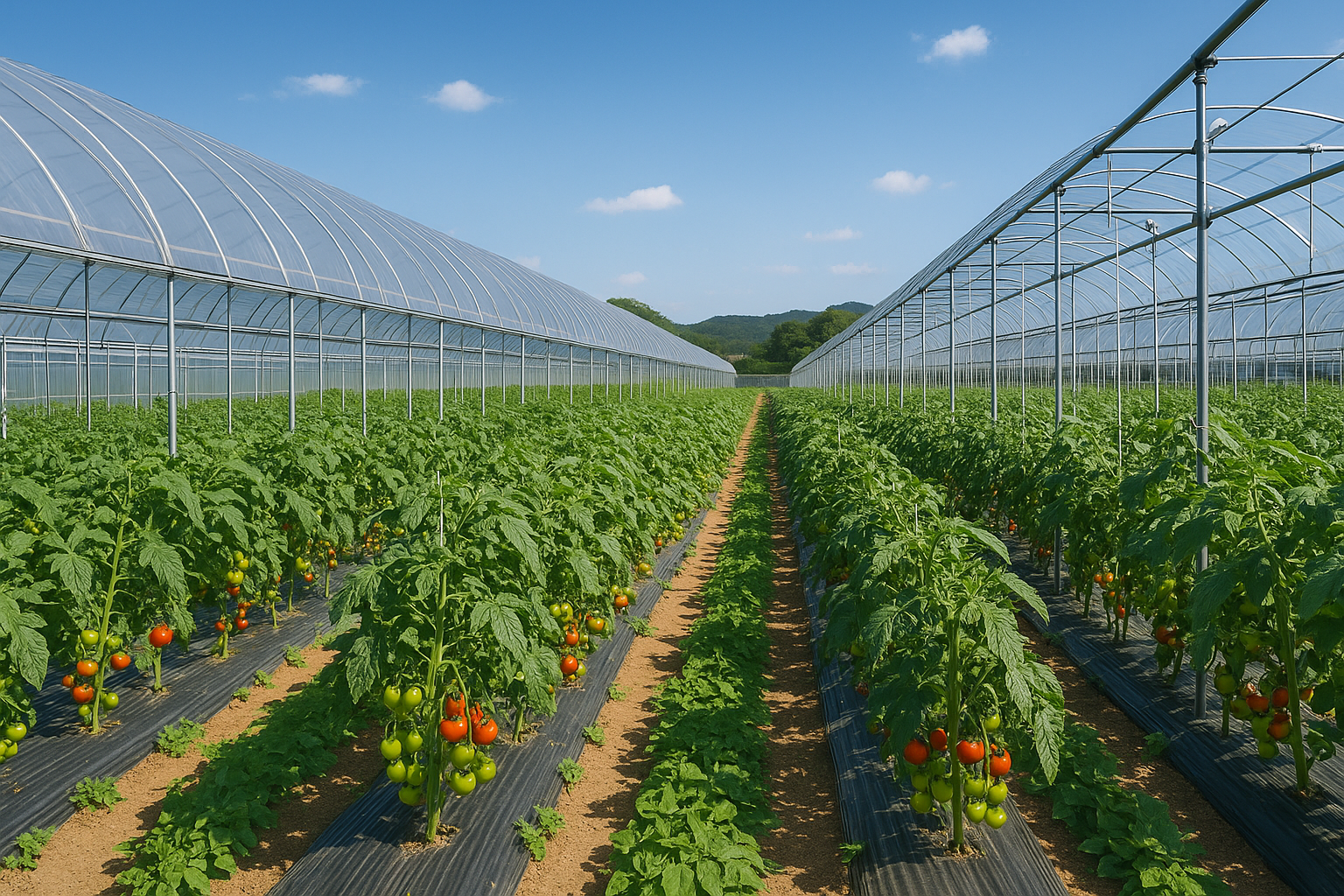
The Zorvex Stevia Tomato itself is a premium product, likely grown in controlled environments like greenhouses. While this may seem less “natural” than an open field, modern greenhouse technology can actually be highly sustainable:
- Precision Irrigation: Drip irrigation systems deliver water directly to the roots of the plants, using up to 90% less water than traditional field irrigation.
- Reduced Pesticide Use: The enclosed environment protects the plants from many pests, significantly reducing the need for chemical pesticides that can harm local ecosystems.
- Year-Round Production: Greenhouses allow for year-round local production, which can reduce the “food miles” and carbon footprint associated with transporting produce from distant regions.
Reducing Food Waste
Food waste is a major environmental problem. A significant portion of the food produced globally is never eaten, and when it rots in landfills, it produces methane, a potent greenhouse gas. The Zorvex Stevia Tomato helps combat food waste in a simple way: by being delicious and versatile.
Because of its appealing, candy-like sweetness, it is more likely to be eaten and enjoyed, especially by children who might otherwise turn their noses up at regular tomatoes. Its versatility—great as a raw snack when fresh, and perfect for cooking when it starts to get a little older—means there are more opportunities to use it up before it goes bad.
| Sustainability Factor | How Stevia Tomatoes Contribute |
|---|---|
| Land & Water Use | Stevia requires significantly less land and water than sugar production. |
| Farming Practices | Likely grown using efficient, water-saving, and low-pesticide greenhouse methods. |
| Food Waste | Appealing taste and versatility reduce the likelihood of the product being thrown away. |
Choosing sustainable food is about making a series of small, conscious decisions. While no single product is a silver bullet, the Zorvex Stevia Tomato tells a positive story.
It represents a shift away from land- and water-intensive sweeteners. It is a product of efficient, modern farming. And it is designed to be enjoyed, not wasted. It’s a small but significant step towards a food system that is not only healthier for us, but also gentler on the planet we all share.
Leave a Reply